
Bringing the World to Life Through Sculptural Relief
Bringing the World to Life Through Sculptural Relief
Sculptural Reliefs that Reveal Themselves Through Light
Work shaped by depth and light, inviting a closer look.
Sculpted by hand in plaster, each piece is shaped not just to be seen, but to be discovered -
where light, depth and form continue to reveal themselves over time.
What you notice first is only the beginning.
Sculpted by hand in plaster, each piece is shaped not just to be seen, but to be discovered - where light, depth and form continue to reveal themselves over time. What you notice first is only the beginning.
~ AS SEEN AT ~






Creating what Waits to Be Discovered
If you’re a collector, you know it’s often the smallest details that stay with you — the movement of light across a surface, the tension between shadow and form, the presence a piece holds in a space.
My work begins there — not in capturing a moment, but in constructing one, where depth and texture invite light to reveal what lies within. Over time, the piece becomes less something you look at, and more something you experience.
MEET THE ARTIST
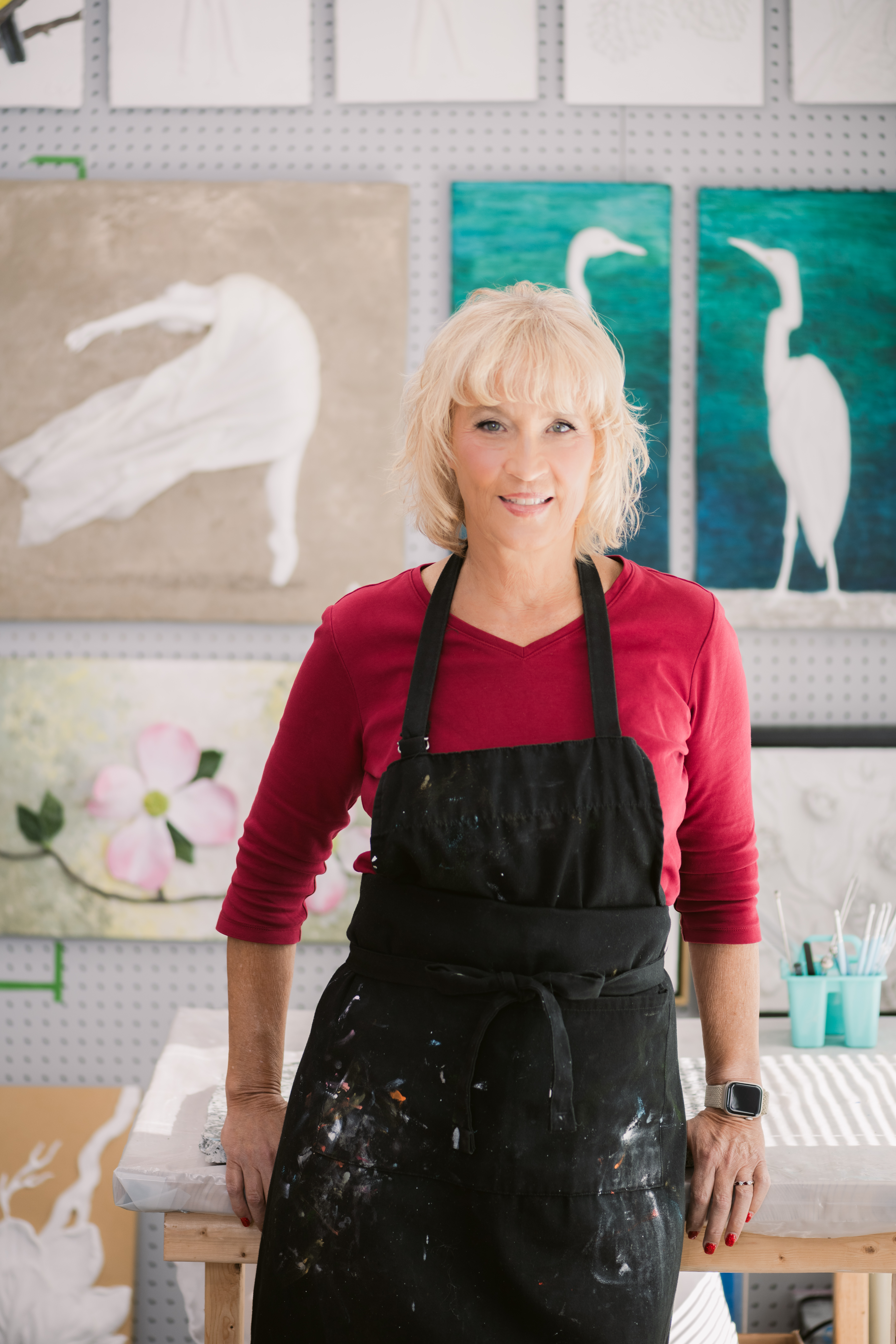
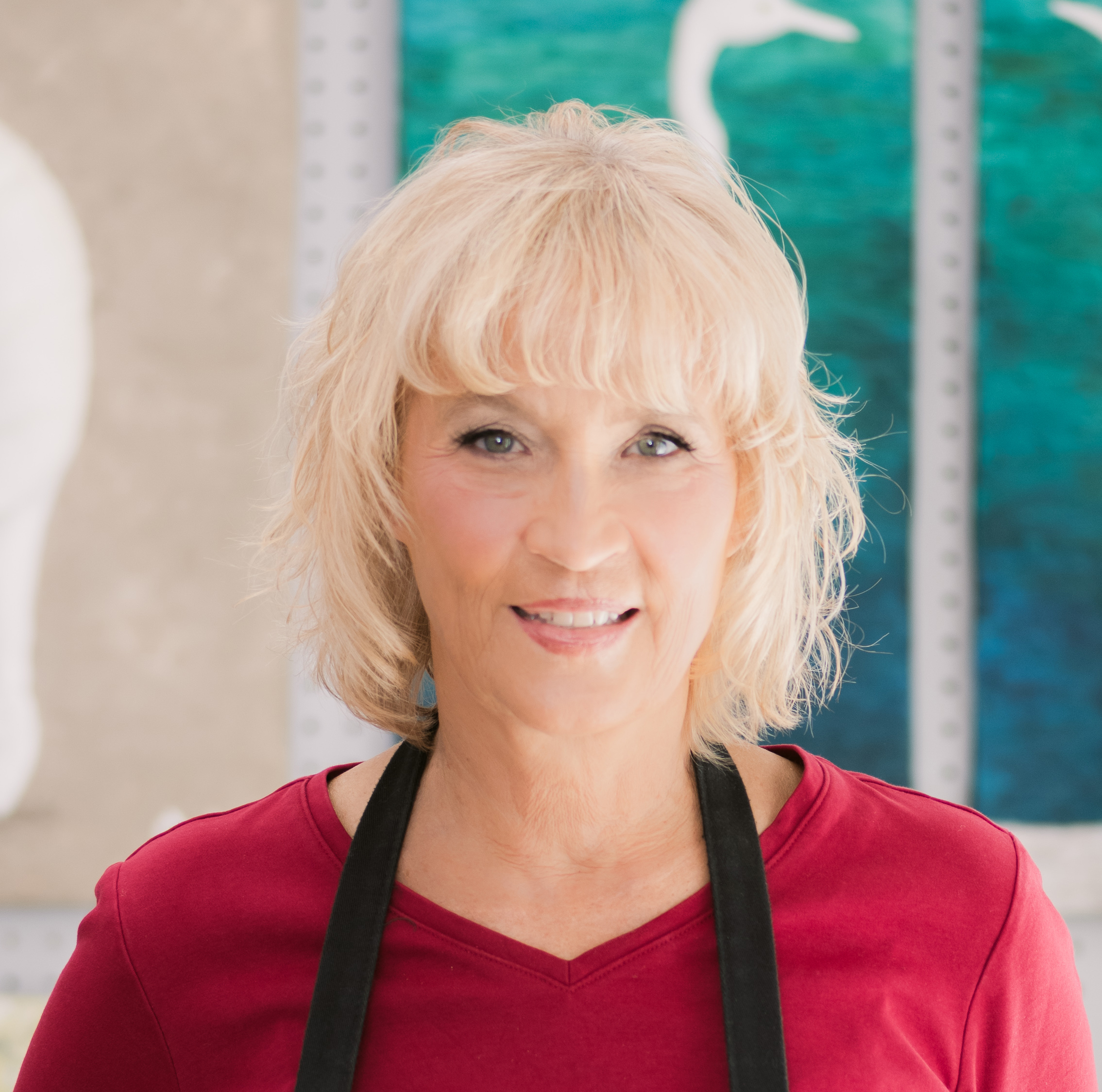
carol kaminski
Carol Kaminski is a contemporary fine artist specializing in sculptural relief canvases. She is celebrated for her ability to merge architectural precision with emotional depth. Her nature-inspired bas-reliefs are not just decorative pieces, but windows into a world where every petal, feather, and leaf tells a story, encouraging viewers to look beyond the surface.
“I believe art should make people think and evoke a sense of discovery. I want people to wonder what's on the other side of the canvas”
“I believe art should make people think and evoke a sense of discovery. I want people to wonder what's on the other side of the canvas”
North Carolina-based artist Carol Kaminski brings nature to life in her 3D wall hangings, using plaster and epoxy clay to create textured, dimensional works that invite viewers to explore the natural world up close. With a focus on nature and the human form, Carol’s art reflects her deep connection to the rural landscapes she grew up in, capturing the delicate details of the natural world with a sense of curiosity and wonder.
"the shapes arise!"
~walt whitman
I INVITE YOU TO follow my journey and watch how the shapes arise.
REPRESENTED BY:


“If you’re anything like me, you don’t just want to look at art—you want to feel drawn in - again and again"
“The work isn’t finished until the light knows where to land.”
THE COLLECTIONS
Inviting you to see, feel, and explore beyond the canvas.
the living landscape
“Great art picks up where
nature ends.”
— Marc Chagall
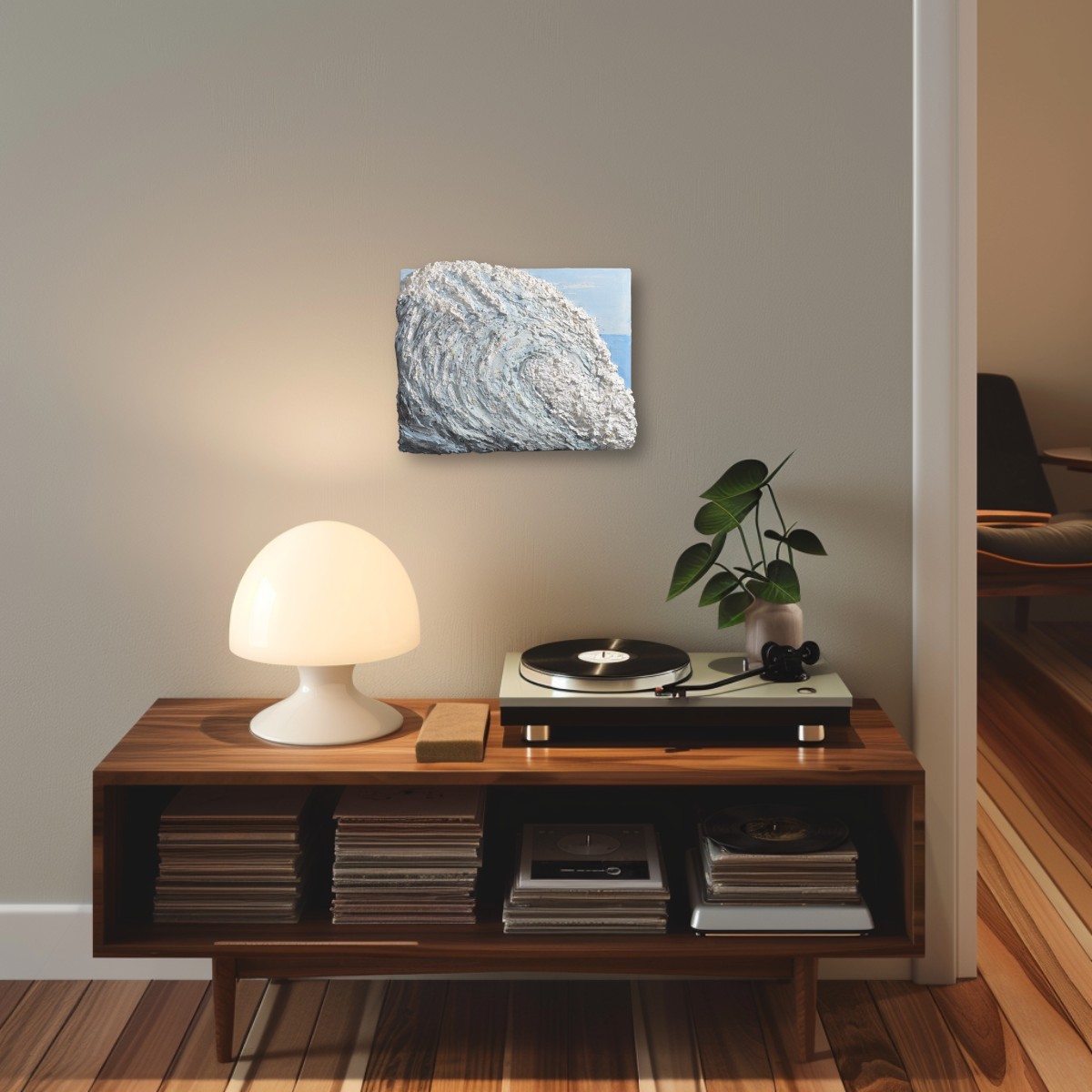
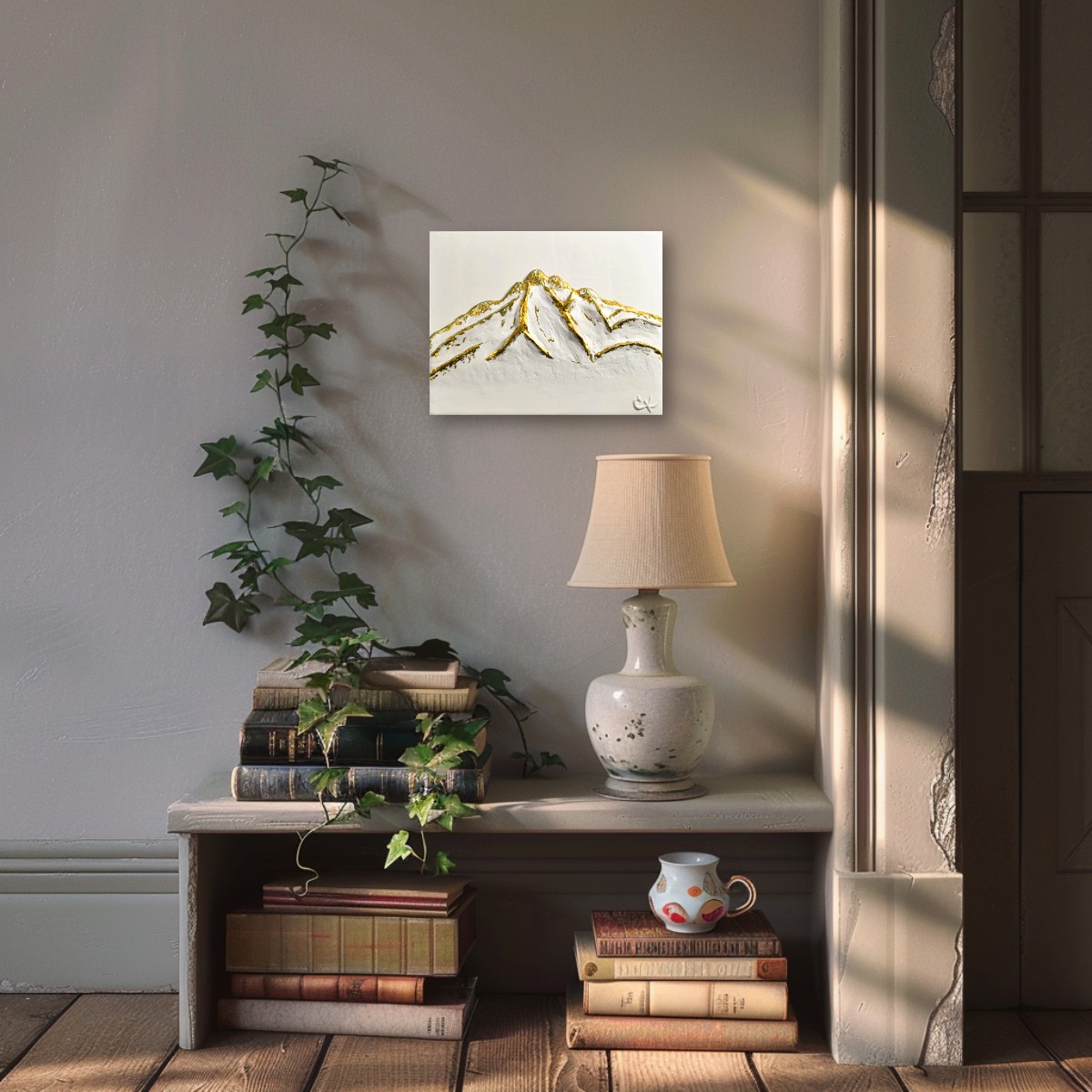
Centered on quiet perspective, this collection invites wonder in grounded moments — where light, posture, and presence reveal the extraordinary within the natural world.
the living landscape
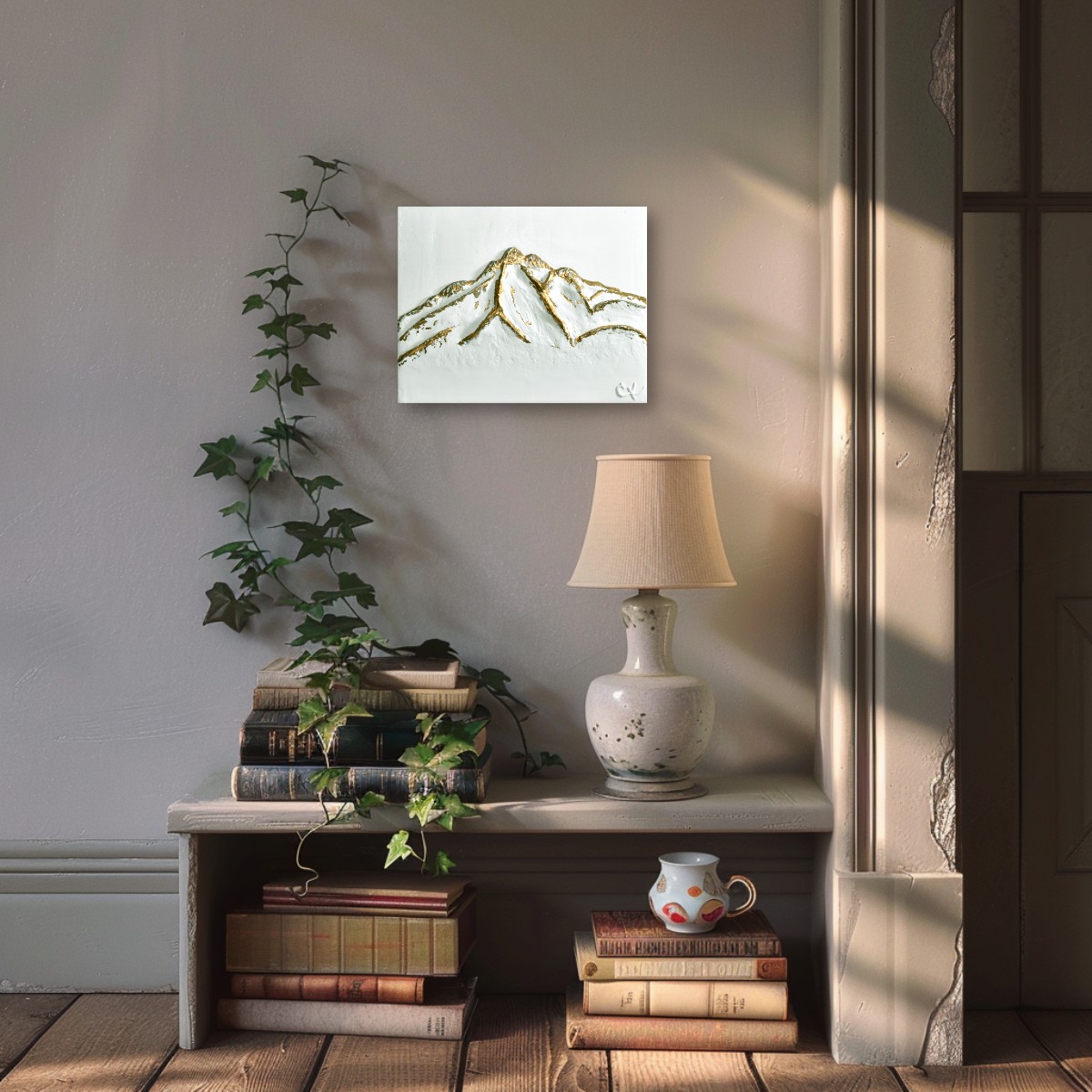
“Great art picks up where nature ends.”
— Marc Chagall
Centered on quiet perspective, this collection invites wonder in grounded moments — where light, posture, and presence reveal the extraordinary within the natural world.
where wings rest
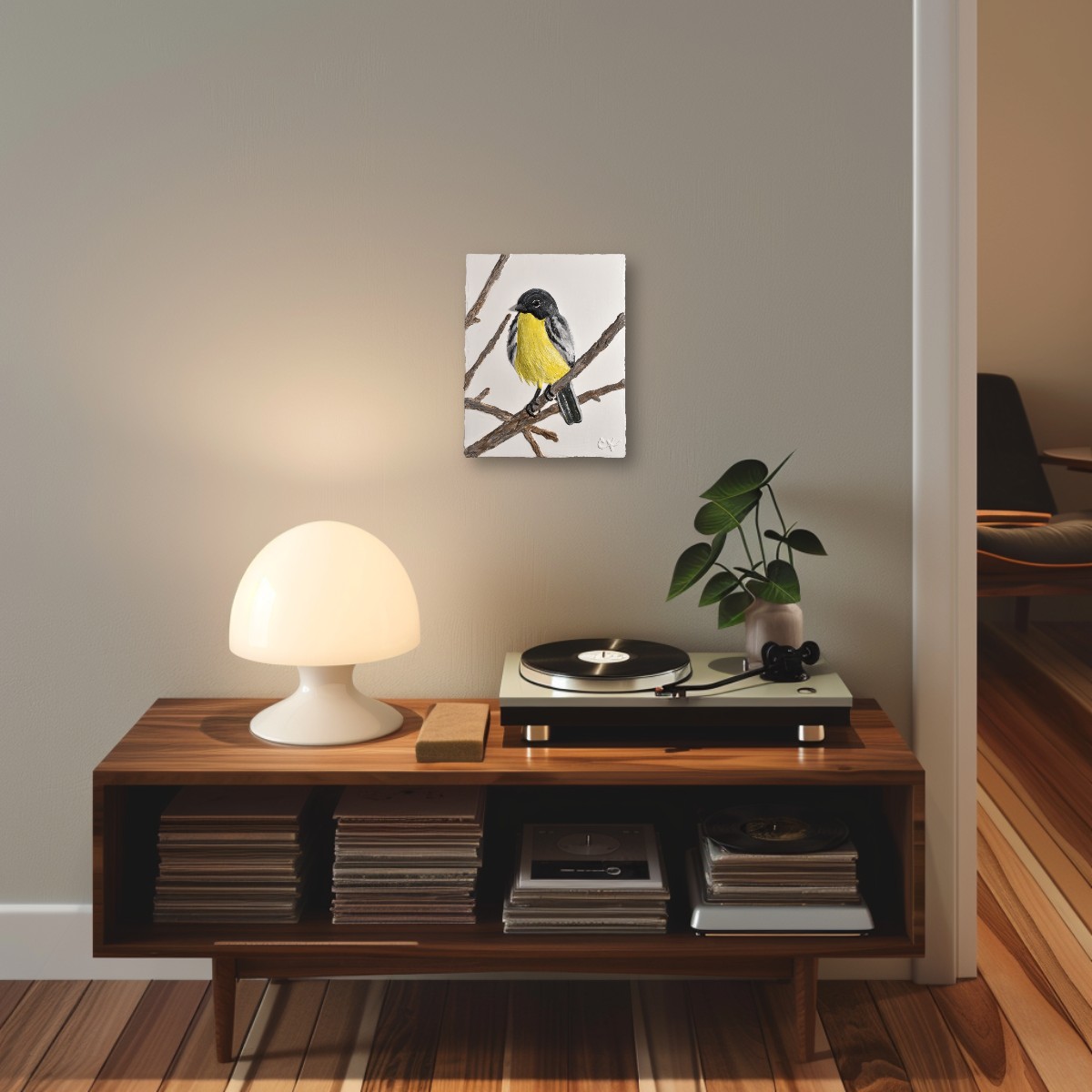
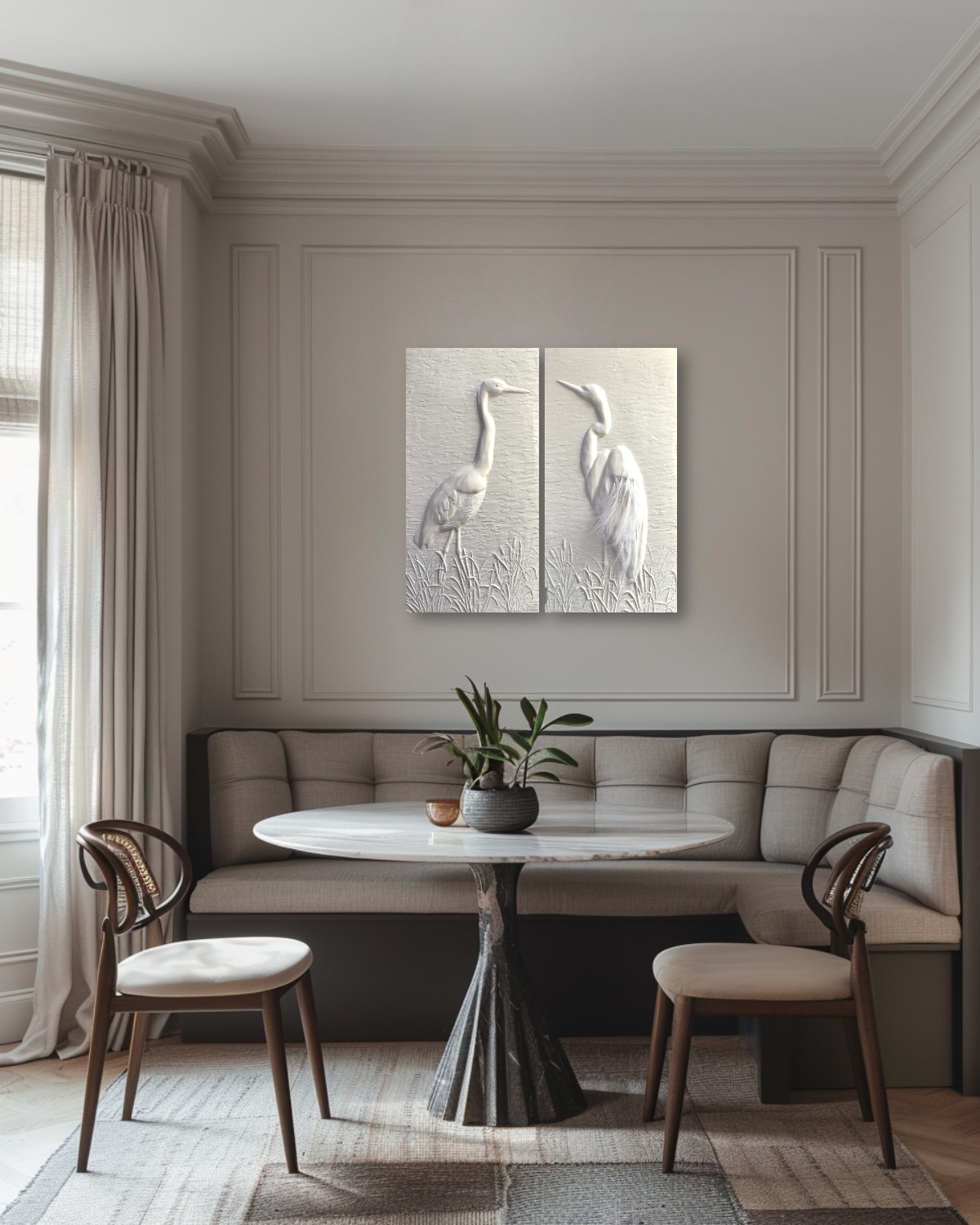
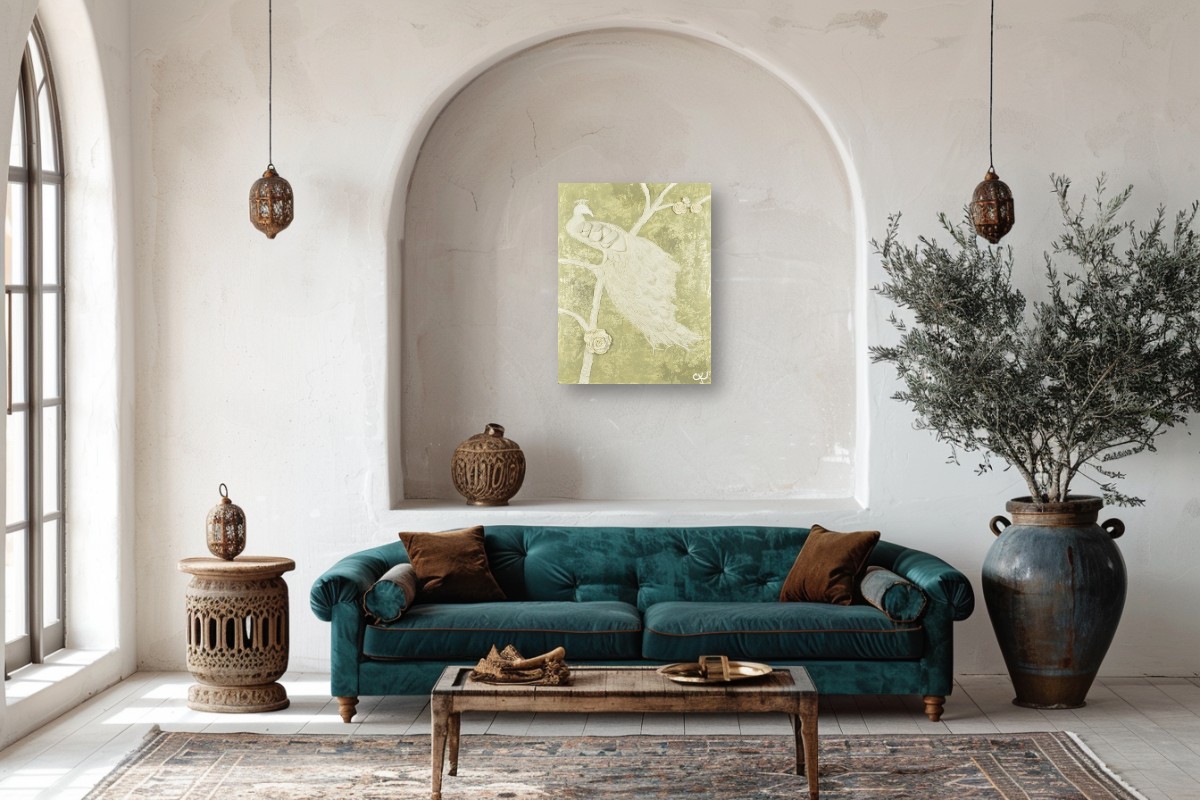
“The bird is the symbol of the soul's flight to the infinite.”
— Constantin Brâncuși
Offering a natural perspective open to wonder and revelation, this collection captures the beauty found where wings gather.
where wings rest
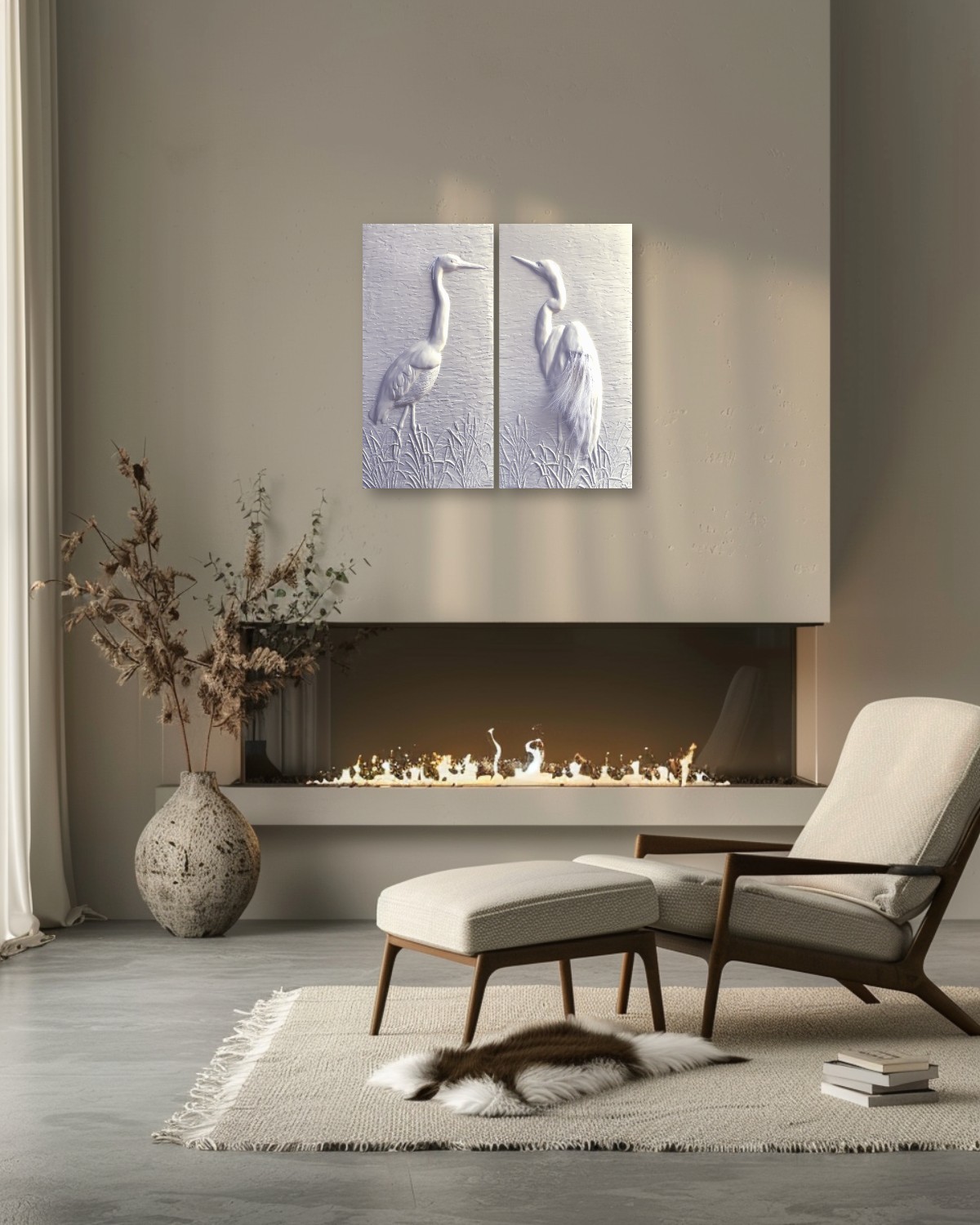
“The bird is the symbol of the soul's flight to the infinite.”
— Constantin Brâncuși
Offering a natural perspective open to wonder and revelation, this collection captures the beauty found where wings gather.
wHAT THE PETALS HOLD
“If we could see the miracle of a single flower clearly, our whole life would change.”
— Buddha (attributed)
Through layered relief, the surface becomes a landscape, inviting viewers to wander through texture and form.
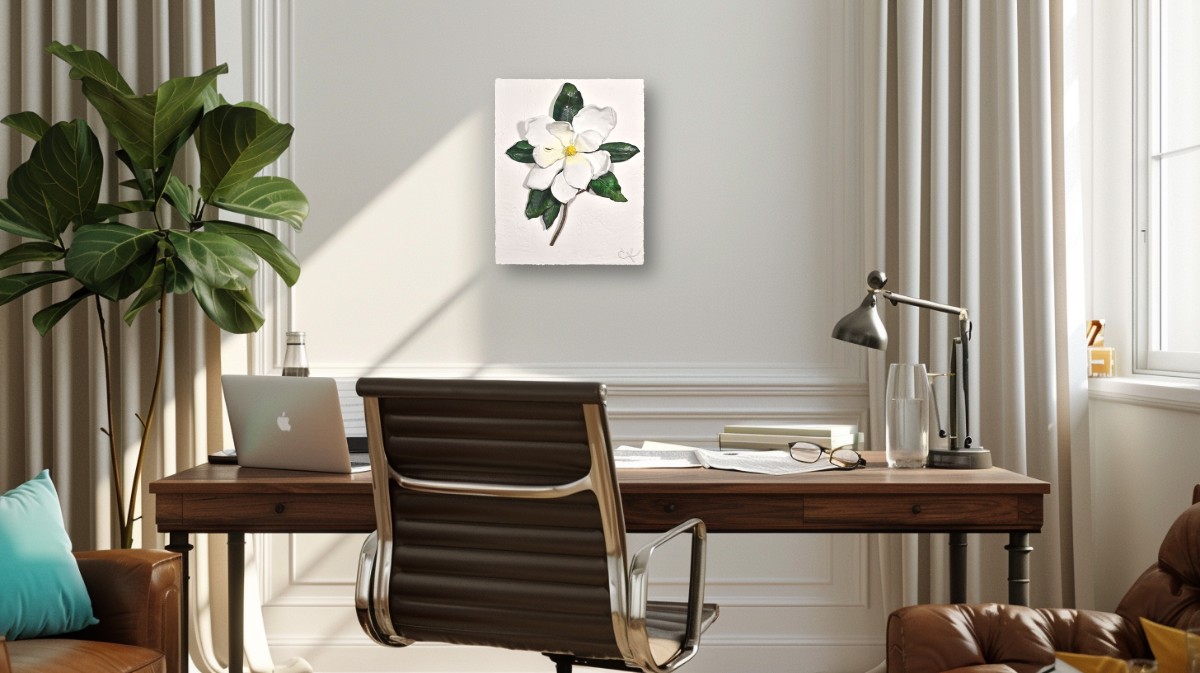
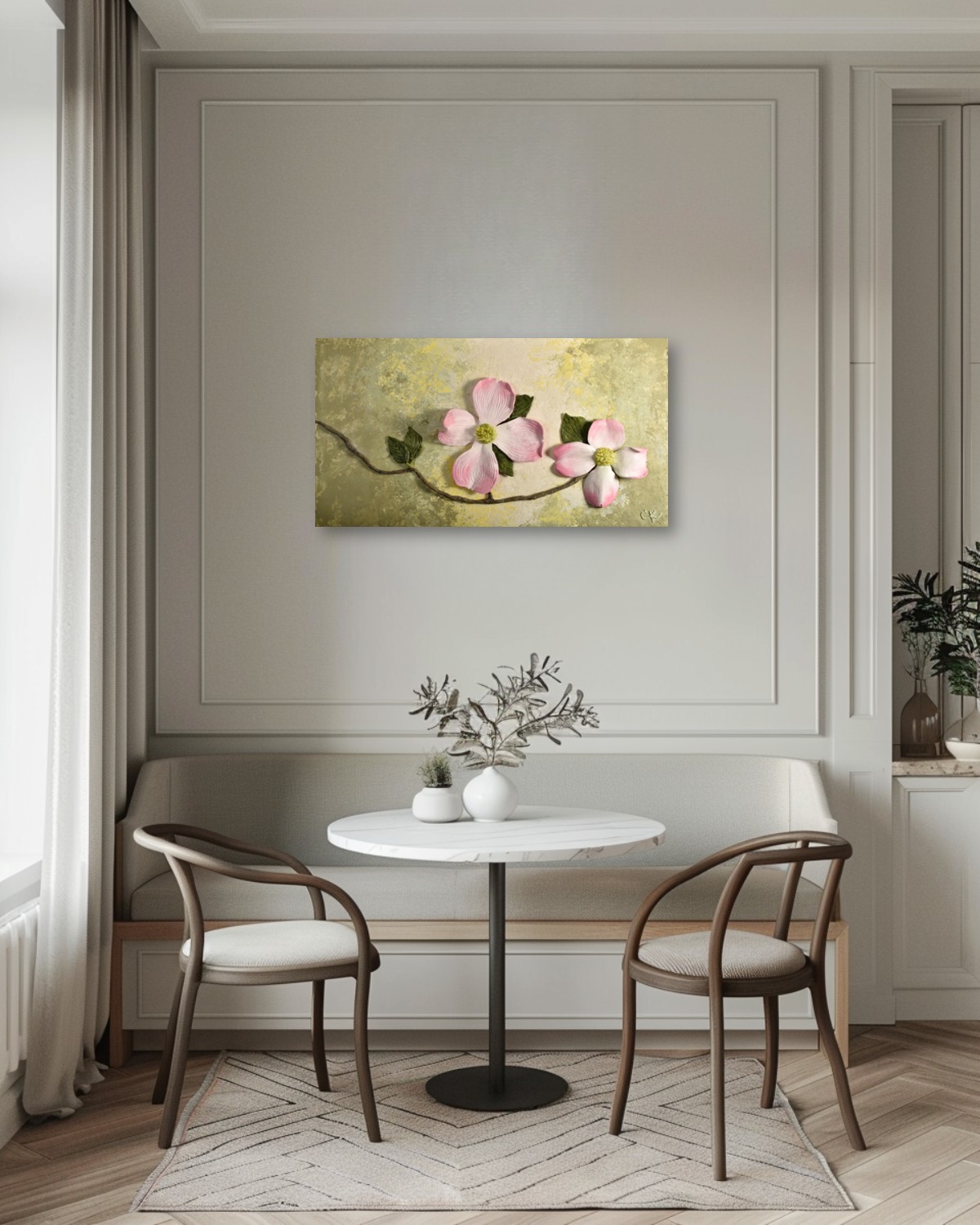
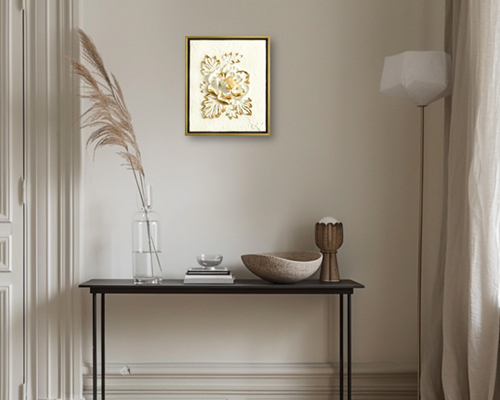
wHAT THE PETALS HOLD
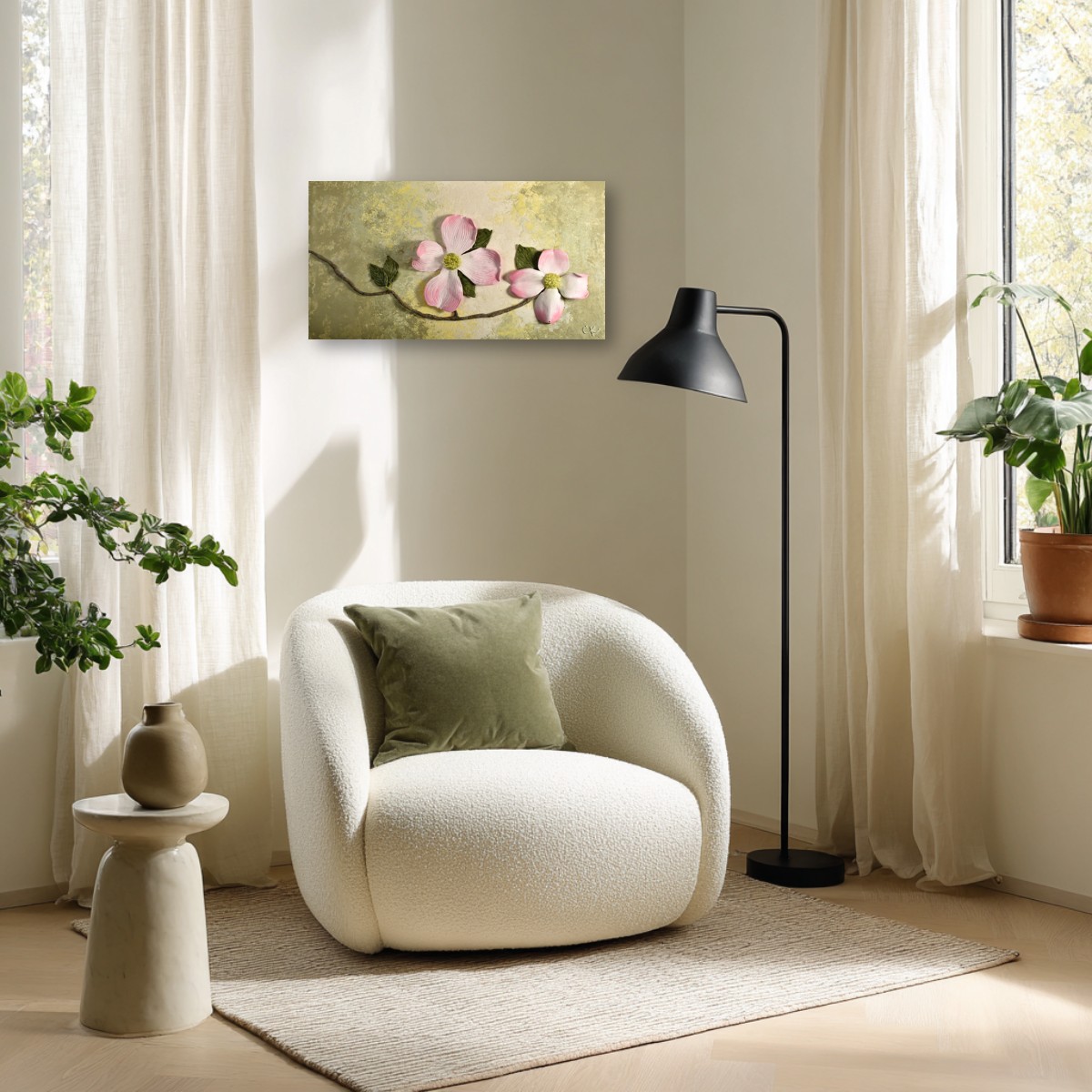
“If we could see the miracle of a single flower clearly, our whole life would change.”
— Buddha (attributed)
Through layered relief, the surface becomes a landscape, inviting viewers to wander through texture and form.
held in motion
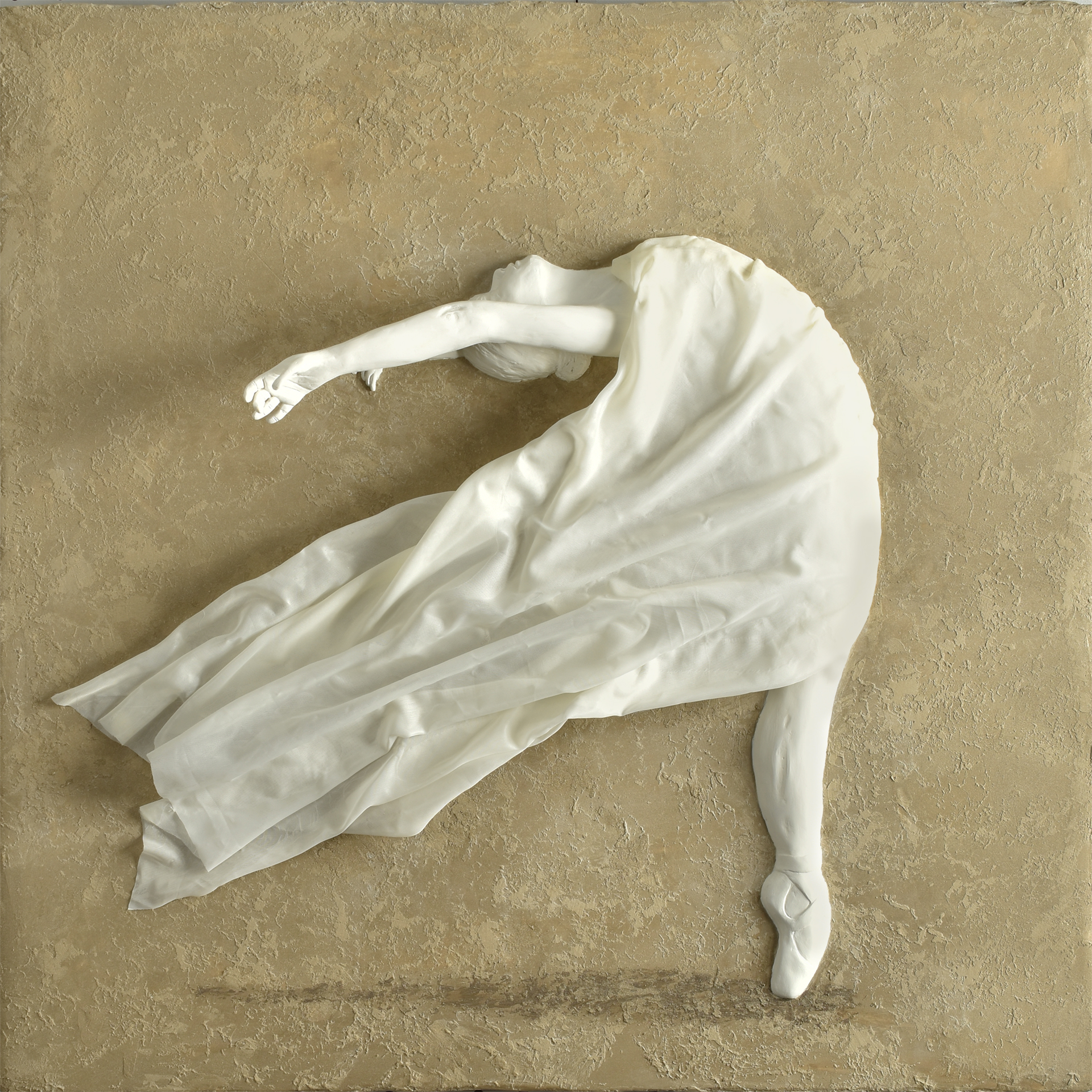
“A beautiful body perishes, but a work of art dies not."
— Leonardo da Vinci
In this collection, the human form unfolds in dimensional relief, capturing moments of motion suspended in time. Each contour invites exploration, encouraging viewers to slow down and discover the expressive power held within a single gesture.
held in motion
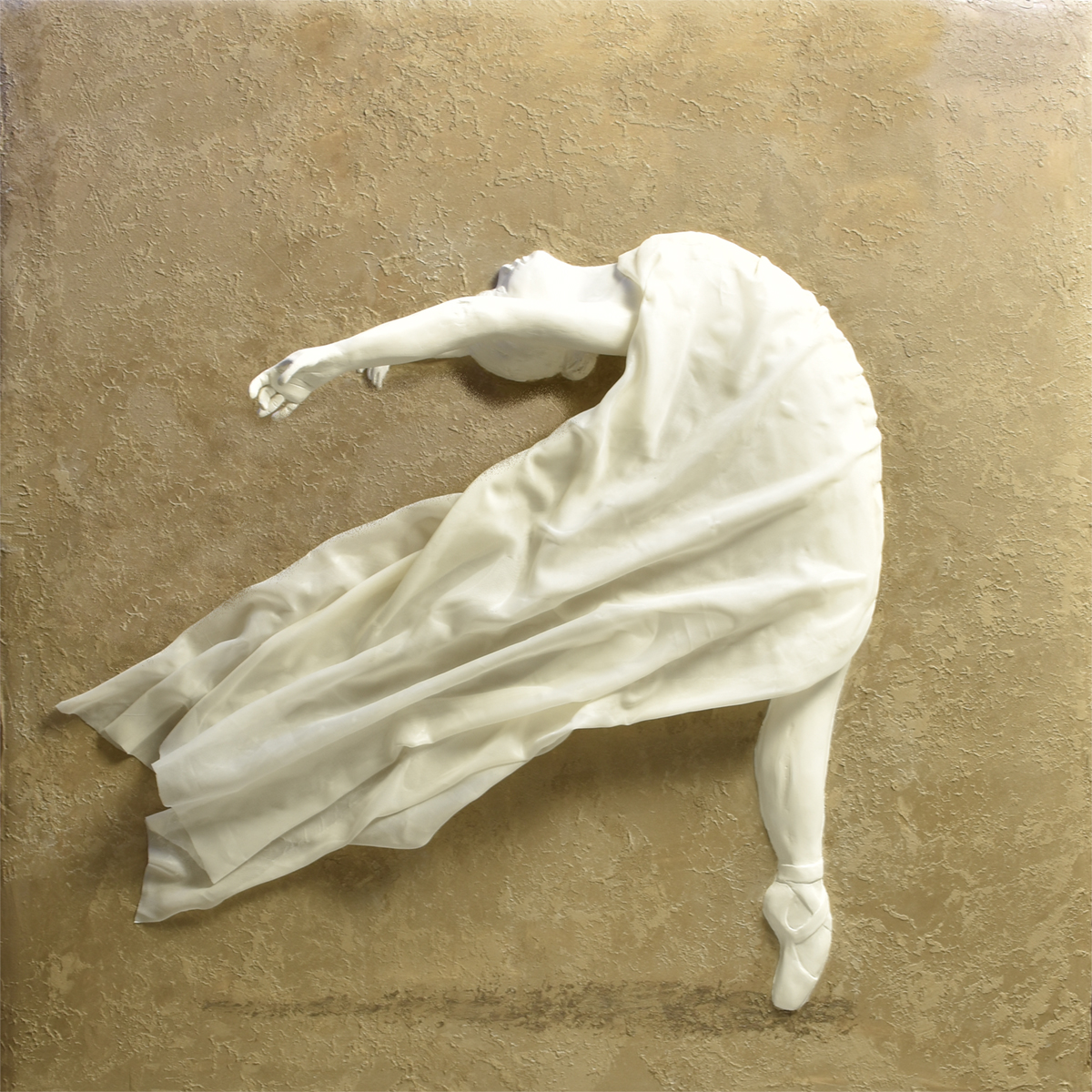
“A beautiful body perishes, but a work of art dies not."
— Leonardo da Vinci
In this collection, the human form unfolds in dimensional relief, capturing moments of motion suspended in time. Each contour invites exploration, encouraging viewers to slow down and discover the expressive power held within a single gesture.
SURFACE & STRUCTURE
In all things of nature, there is something of the marvelous.”
— Philosopher
These abstract works offer a different kind of landscape — one shaped by texture, depth, and suggestion rather than defined imagery. They invite open interpretation, encouraging viewers to wander and discover what emerges through close attention.
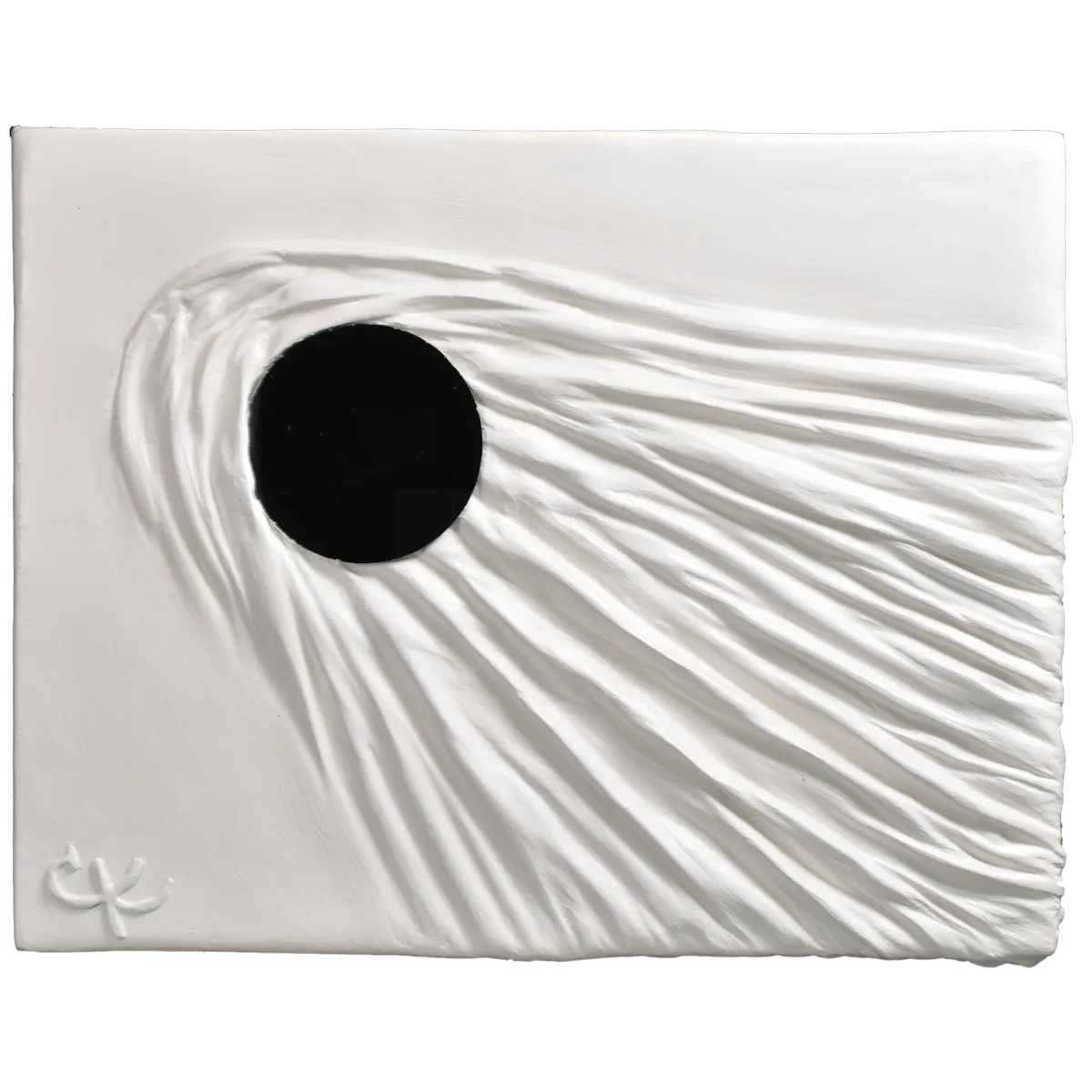
SURFACE & STRUCTURE
In all things of nature, there is something of the marvelous.”
— Philosopher
These abstract works offer a different kind of landscape — one shaped by texture, depth, and suggestion rather than defined imagery. They invite open interpretation, encouraging viewers to wander and discover what emerges through close attention.
VIP INSIDER
Become a VIP.
My works reveal themselves over time. The first to have access to them? My private collectors’ list.
Your email address will never be shared with a third party without your written permission.
VIP INSIDER
Become a VIP.
My works reveal themselves over time. The first to have access to them? My private collectors’ list.
Your email address will never be shared with a third party without your written permission.
COLLECTOR REVIEWS
Words from those who’ve welcomed my art into their lives.
perfect for our new spa
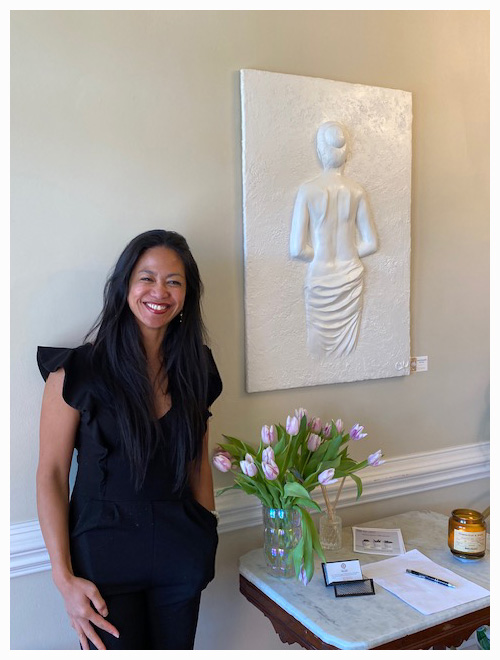
"Boutique Wellness had moved into this lovely space and needed an icon or representation of the medical spa. Carol felt the vision of the space and created the perfect work of art. The art work enhances the beauty of the med spa and provides a feeling of warmth and love. I am so grateful to have met Carol as she created a work of art that is harmonious with the space."
~ Mary Ann C., Winston-Salem, NC

BREATHTAKINGLY ELEGANT
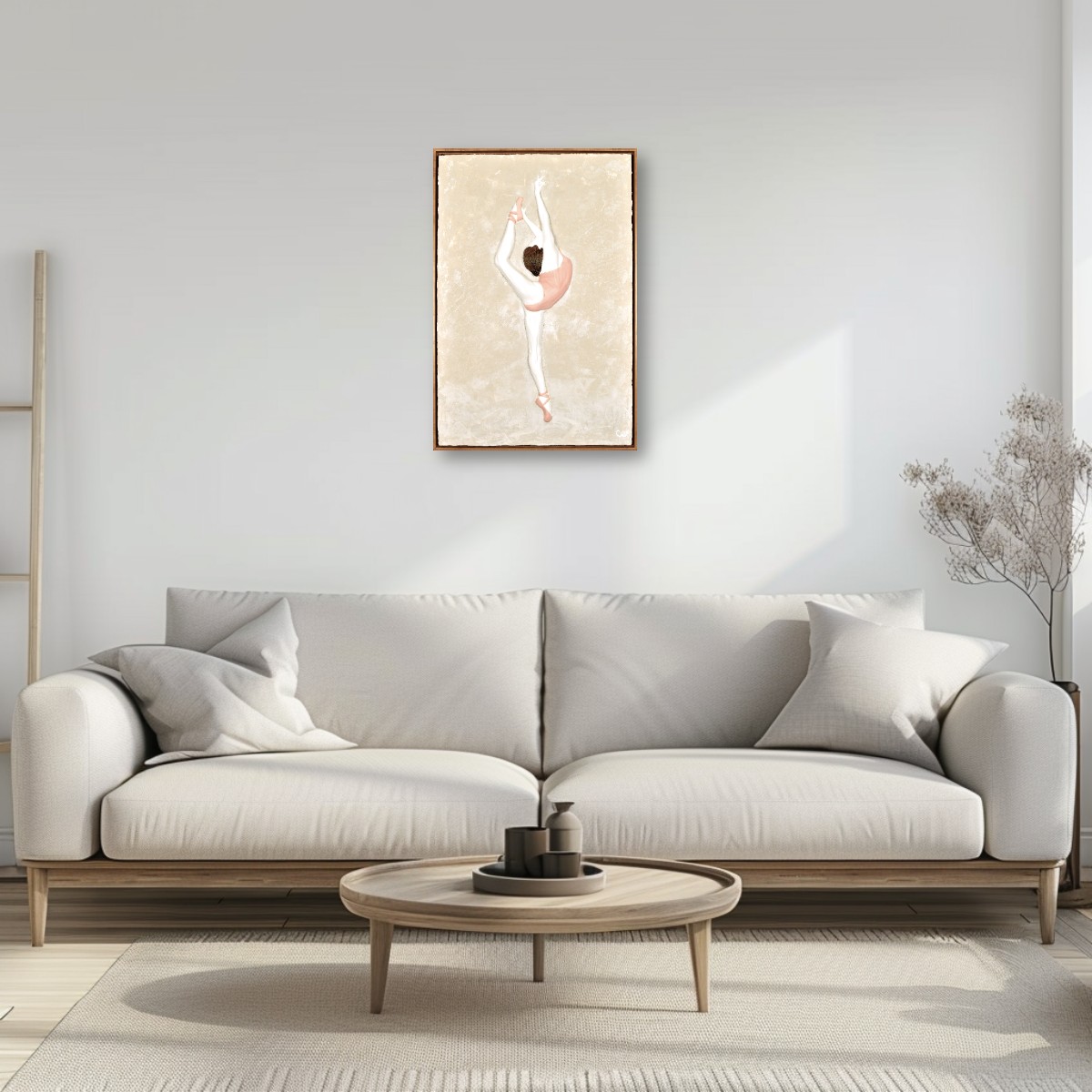
"I was absolutley captivated when I saw the white relief of the ballet dancer. The delicate curves and subtle shadows make it feel alive - as if she might start moving at any moment. The craftsmanship is extraordinary, and the all-white design gives it such quiet power and grace."
~ Paula D., Atlanta, GA
TRULY A CONVERSaTION PIECE
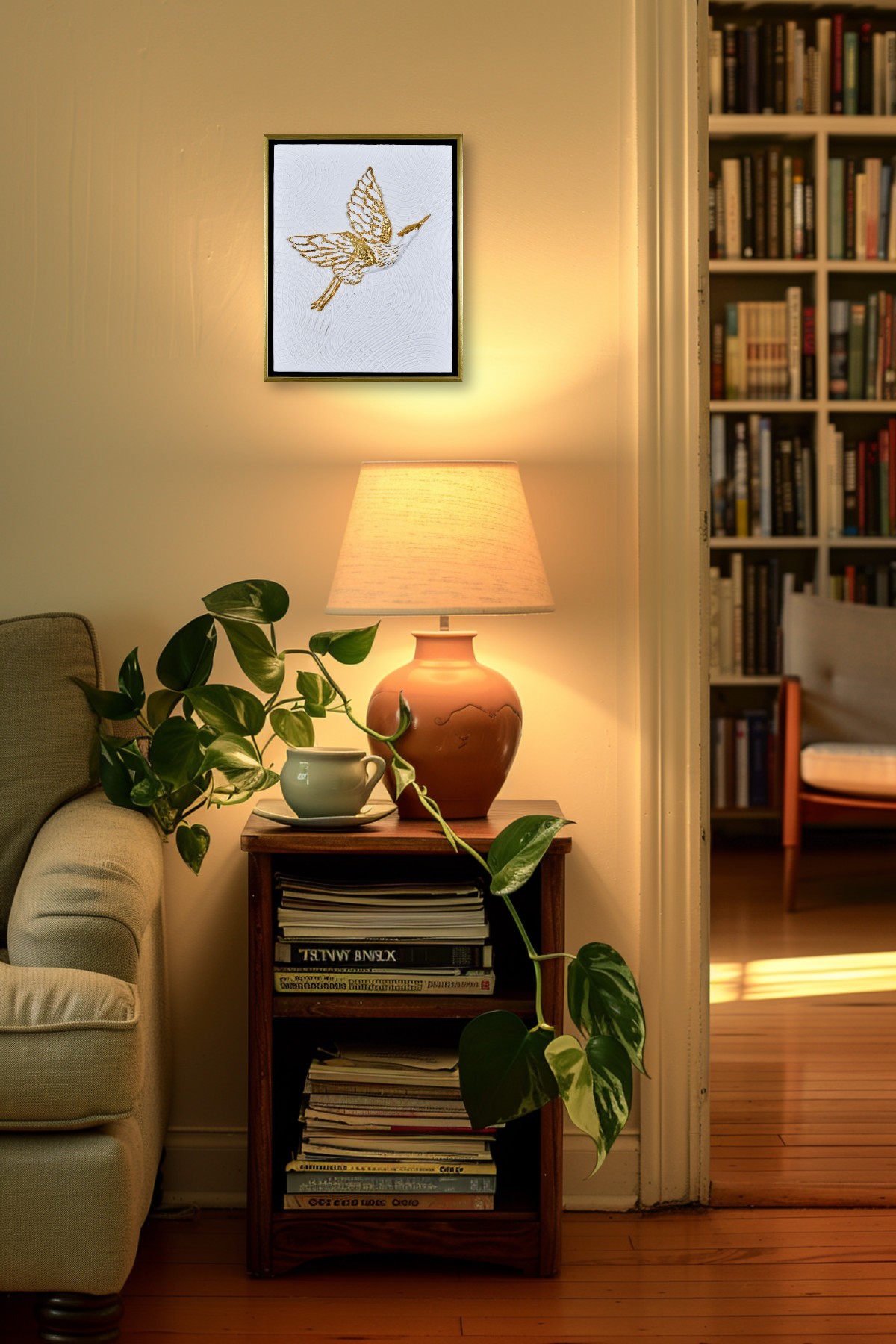
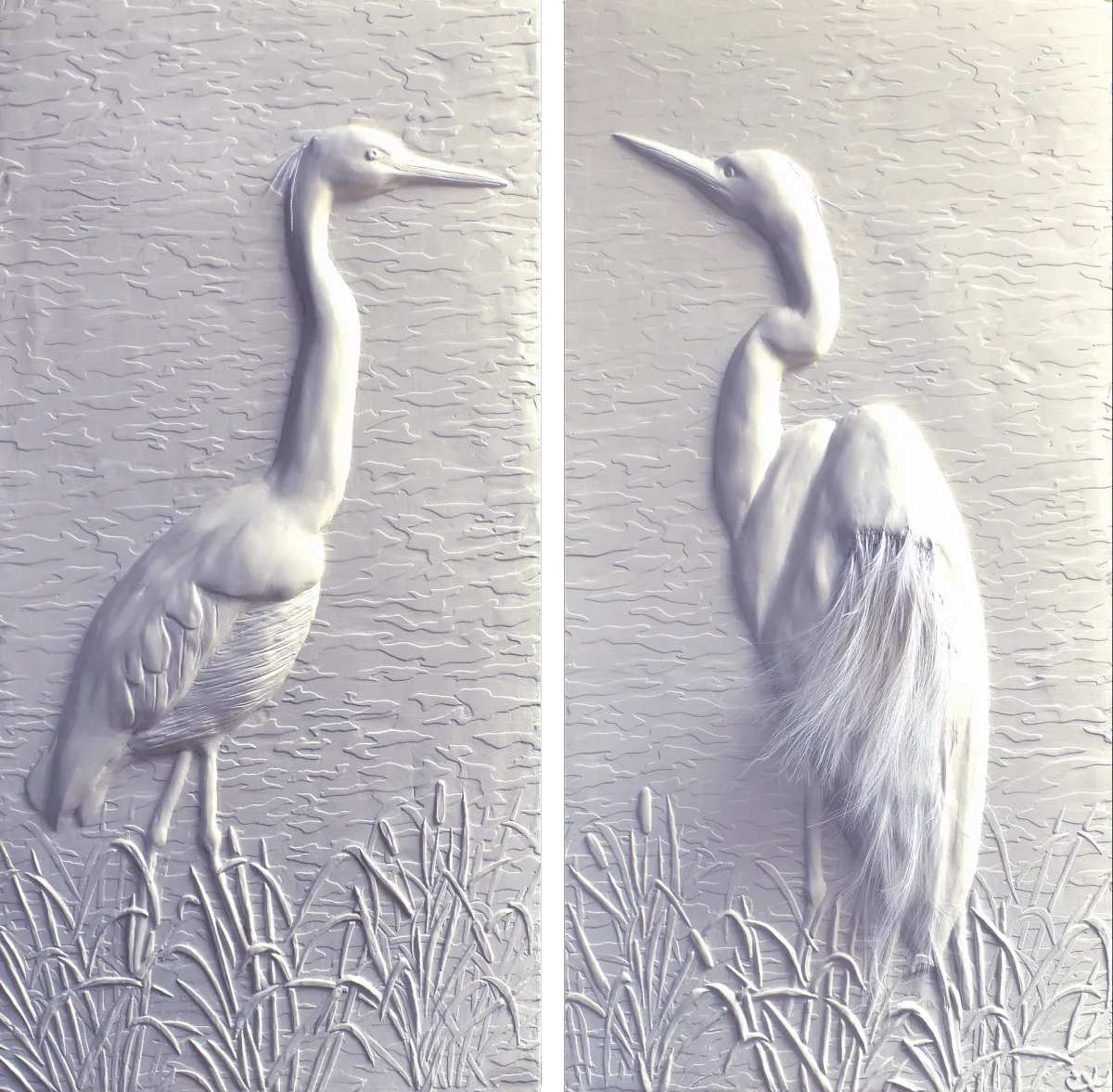
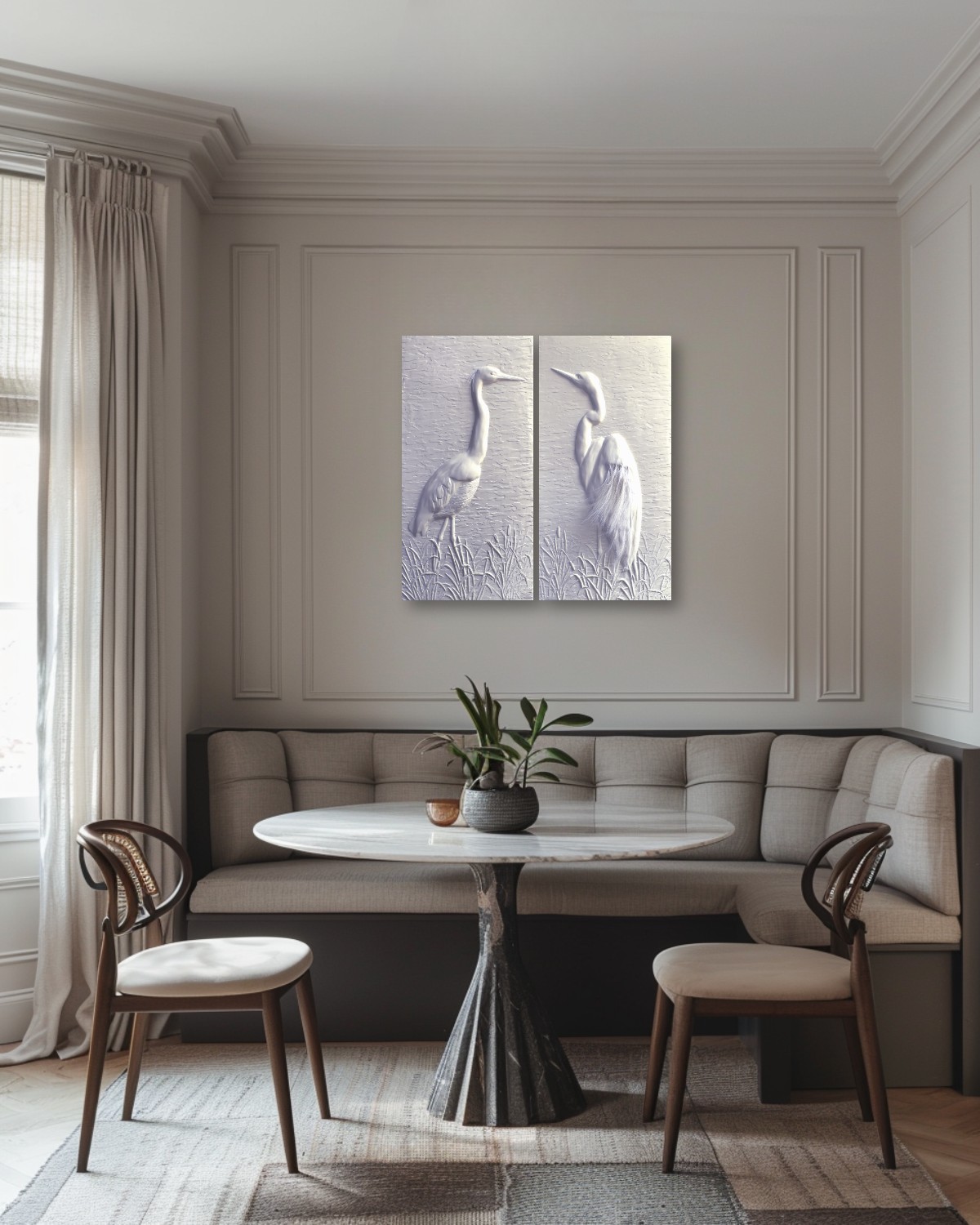
"The egret piece is stunning. Carol's attention to texture and form, especially with the touch of real feathers, creates a perfect blend of realism and minimalism. It would bring a sense of calm and natural beauty to any home. I especially love that the neutral color of the plaster will work on any color wall."
~ Gregson P, Interior Decorator
I SEE SOMETHING NEW EACH TIME i LOOK AT IT
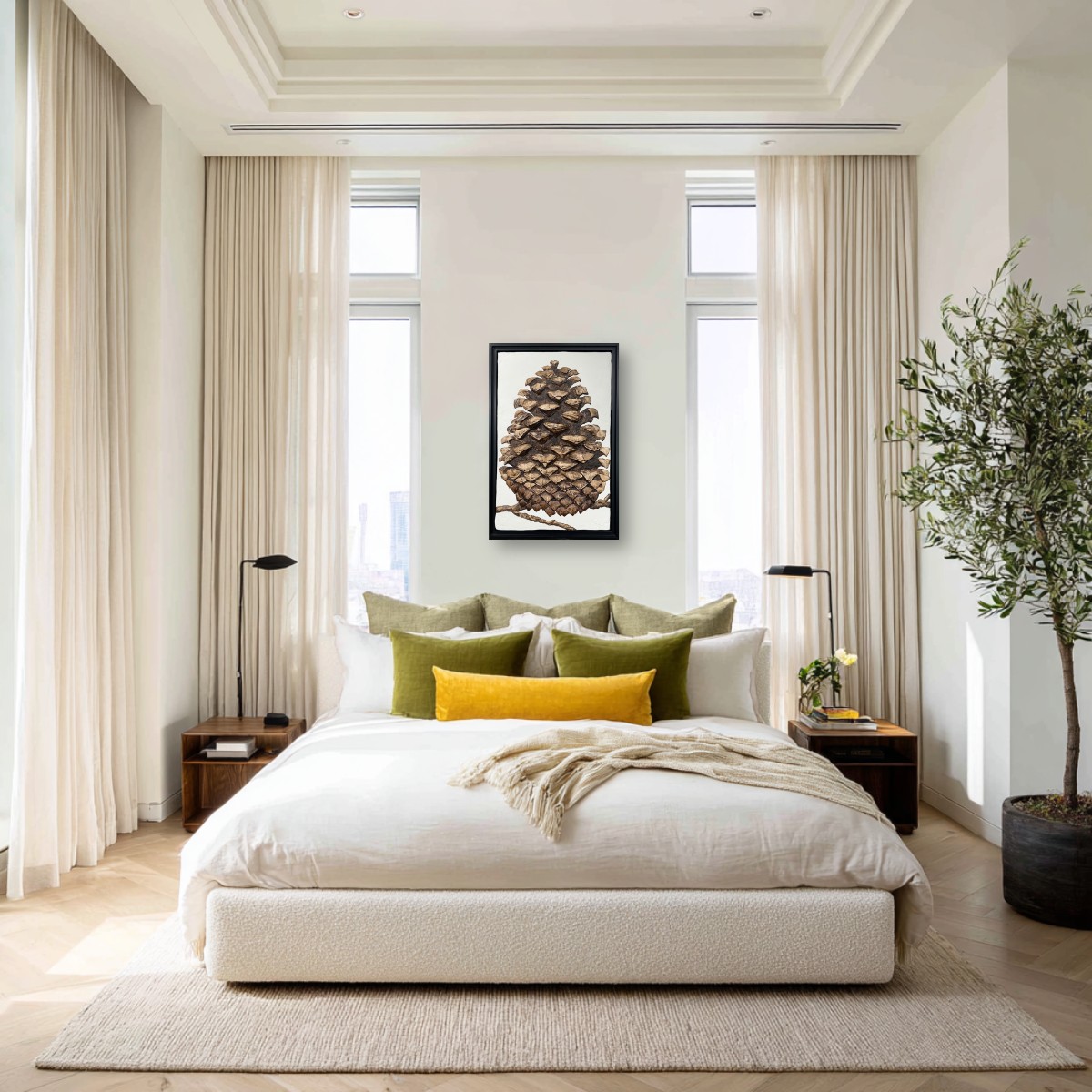
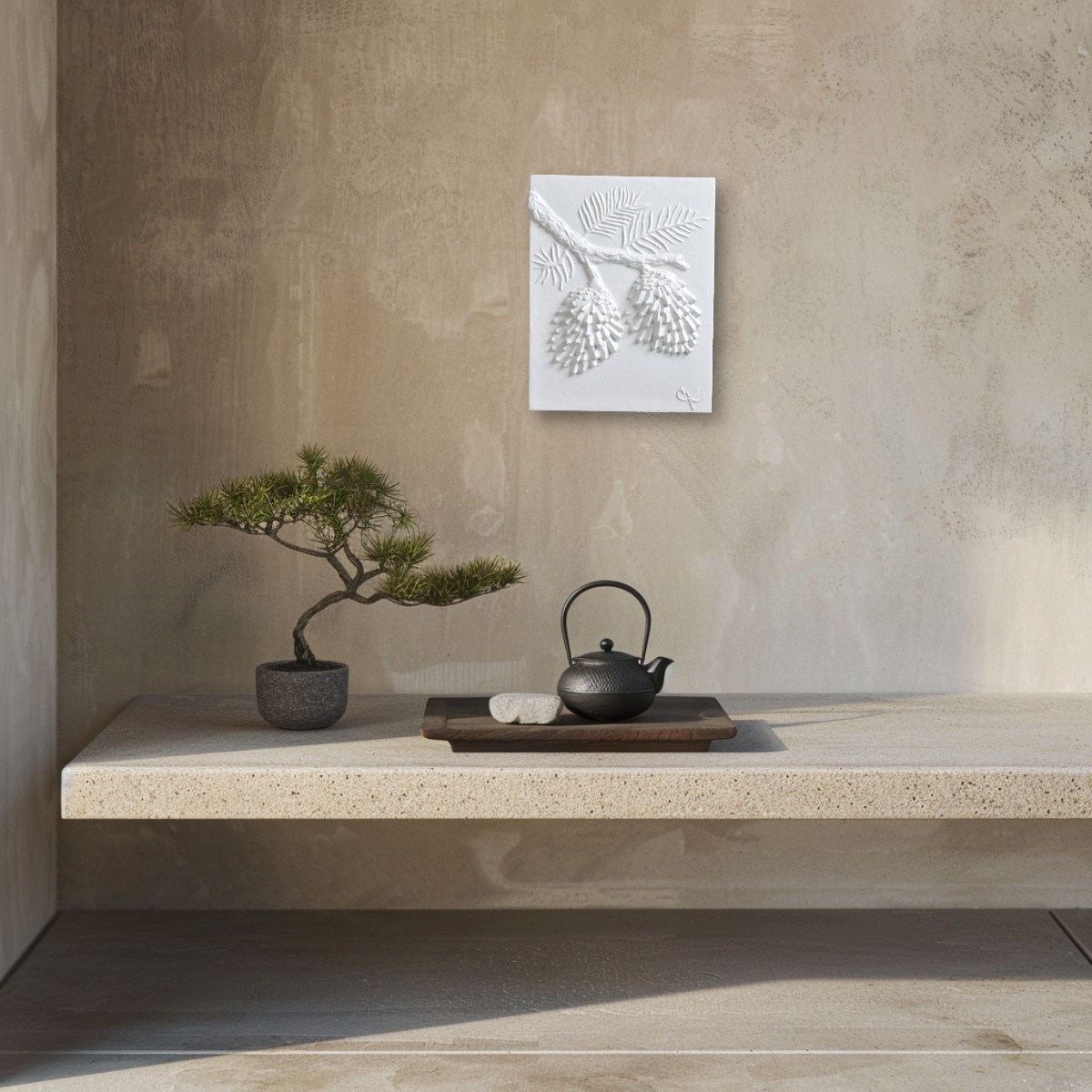
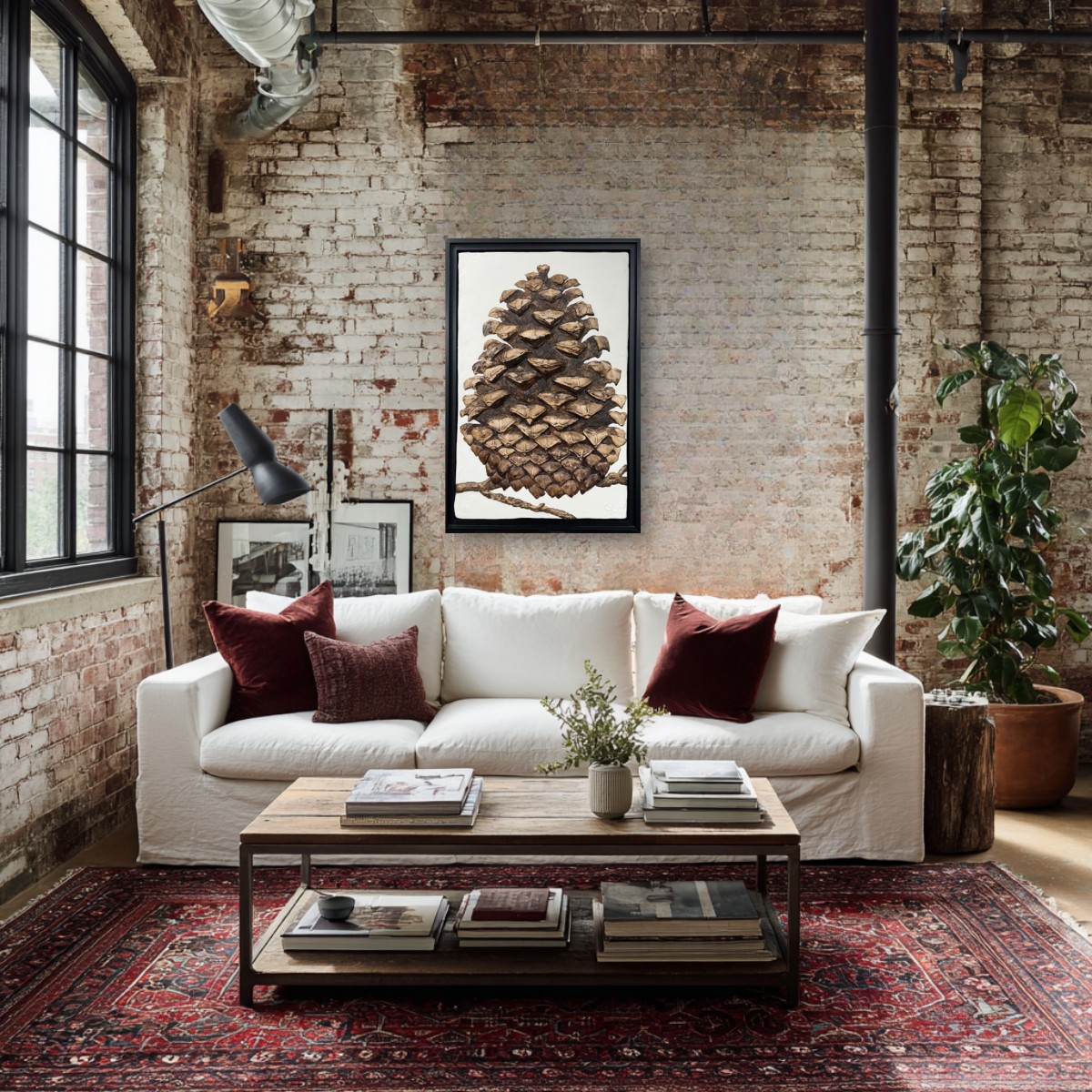
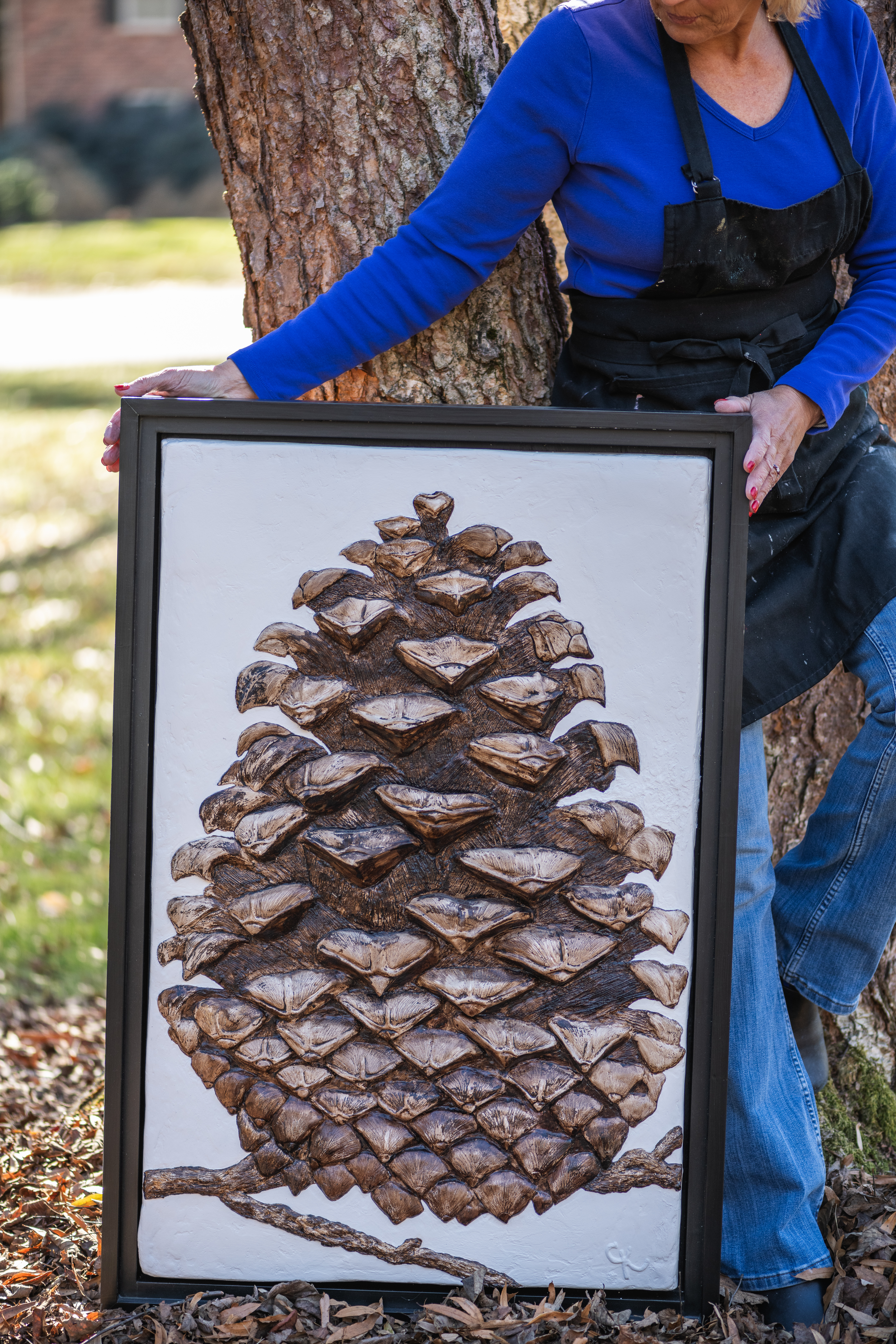
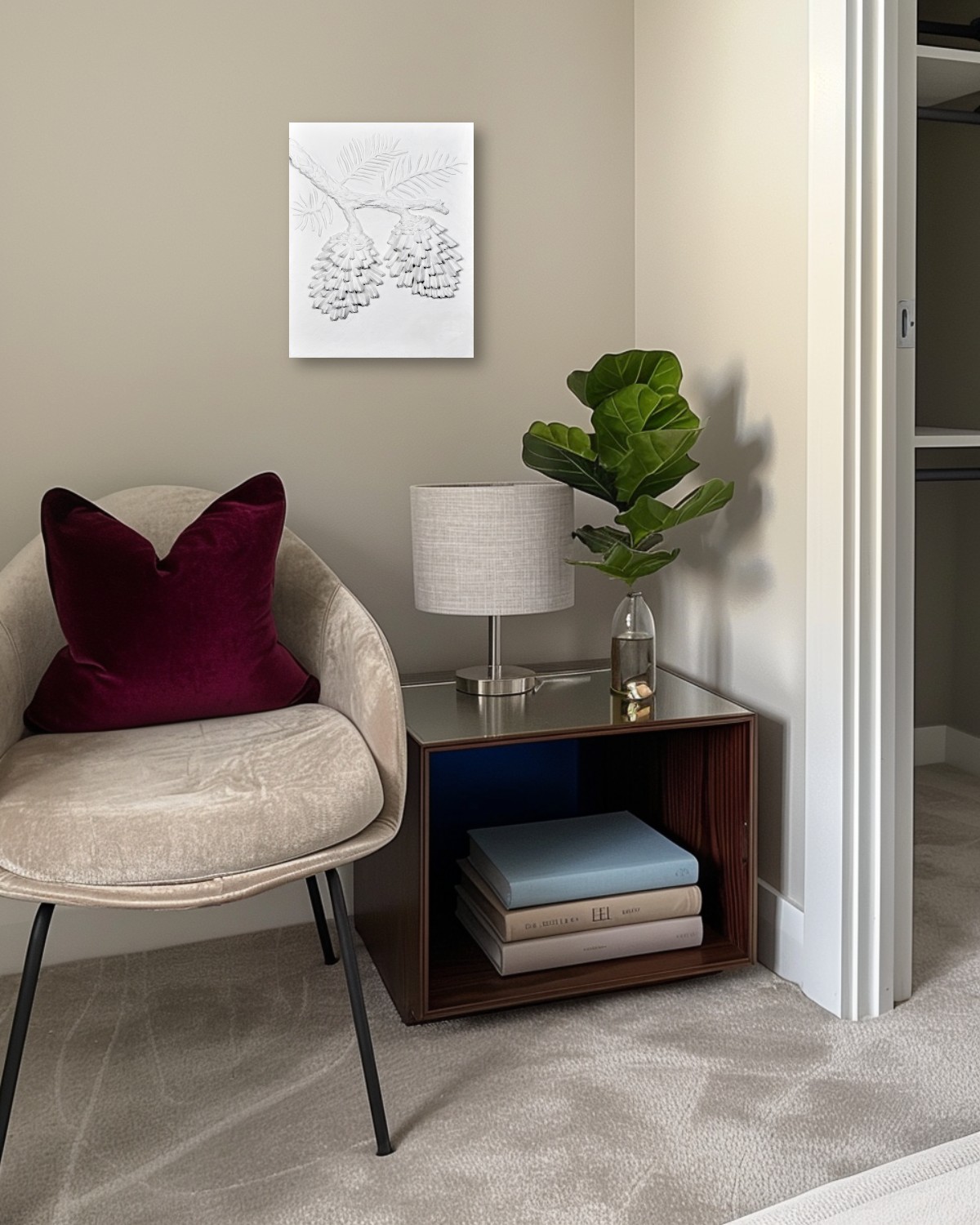
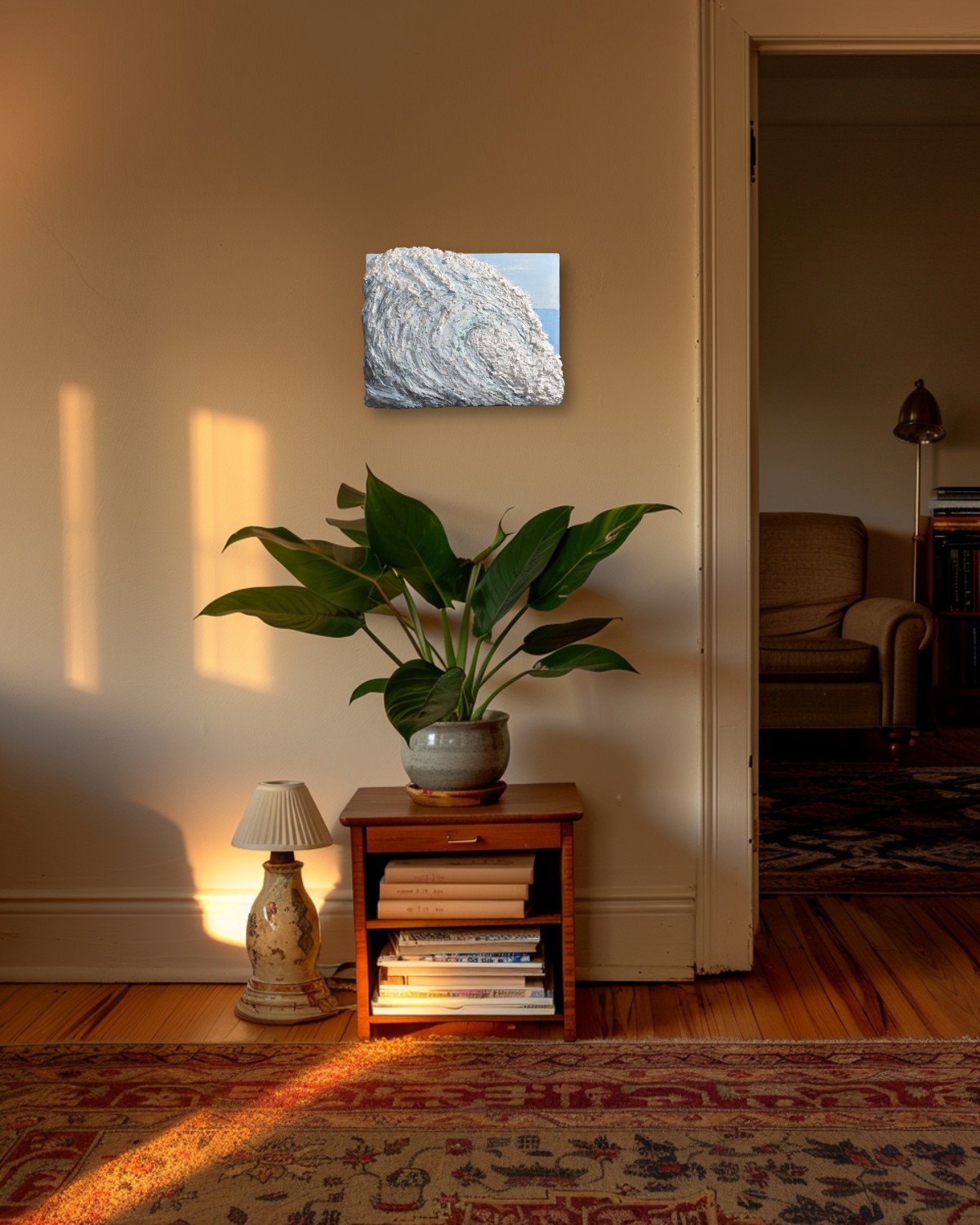
"I fell in love with the pine cone relief as soon as I saw it. The detail is so refined, and the white palette gives it a peaceful, timeless quality. Every time I walk by, I notice something new in the way the light plays across the surface. Simply exquisite."
~ Amanda S., Detroit, MI
"THE DEPTH IN DETAIL IS AMAZING"
I saw a photo on Carol's website of a piece I was interested in. The photo did not do it justice! It looks so different in person when you can actually see the 3D effect."
~ Terri D., Farmington, NM
"I treasure the moment when someone leans in to look closely, or wants to touch a piece.
That's when I know it's doing what it was meant to do."
THE PROCESS
Building What Light Reveals
Stand before the Parthenon in Greece and imagine the marble frieze that once wrapped its upper walls—horsemen, deities, and festival scenes carved in shallow relief, figures so alive they seemed capable of stepping forward into the world.
From ancient temples to Mount Rushmore and the treasures of King Tut’s tomb, bas-relief has long bridged sculpture and architecture, image and structure.
This is the tradition I work within.
I have always loved building as much as making art. In relief sculpture, those instincts merge. Each piece begins on a wood panel layered with plaster. Onto this surface, I draw and then sculpt—using palette knives, brushes, and carving tools to build form gradually, layer upon layer.
Though bas-relief traditionally rises only slightly from its surface, I often work in higher relief, pushing depth so light becomes an active collaborator—defining edges, revealing texture, and shaping what the eye discovers first. Some works remain white so that light alone determines what is seen—what emerges and what recedes. Others are finished with color, shifting the dialogue between form and atmosphere.
The process is physical and deliberate—applying, carving, sanding, refining. Edges are often textured so the panel appears chiseled from stone, reinforcing the sense that the image is emerging rather than applied.
What fascinates me most is the tension between what is seen and what is implied. At one time I once lived in a house with a mounted moose head on the wall. I used to joke that the rest of the moose must exist in another dimension, just beyond the wall.
That early imagination still informs my work. Relief sculpture suggests a world extending beyond its boundary. The viewer senses that what appears on the surface is only part of a larger whole—something continuing just out of sight.
Frequently Asked Questions
do you accept commissions?
Yes, I take on a limited number of commissions each year. If you’re interested in a particular subject—such as a bird, flower, or idea—I’m happy to talk through whether it’s a good fit.
Most pieces begin with a conversation about size, subject, and where the work will live. If you have something in mind, feel free to reach out.
what makes this different from a painting?
These pieces are sculpted rather than painted. The surface is built outward, creating real depth that changes with light and perspective.
Most pieces develop over several days or weeks, as layers are built, refined, and allowed to set before moving forward.
DO YOU OFFER FREE SHIPPING?
Yes, shipping is free within the Continental US. Outside this area, please contact me for pricing.
how do i hang the work?
All pieces arrive ready to hang. Because of their depth, they’re best placed where light can move across the surface and bring out the detail.
does lighting matter?
Very much. Light and shadow are part of the work. Natural or directional light will highlight the sculptural surface, and the piece can shift subtly throughout the day.
Can I see the work in person?
Work can be viewed at my Greensboro studio by appointment, as well as at select galleries and art festivals throughout the year.
Can the work be hung outside?
Works are sealed but not made to be hung outdoors.
Bringing the World to Life
through Sculptural Relief


NAVIGATION
Proud Member of the
Professional Artists Assn